Polylithic Crafting Hub
Rocks become flint. Stalk becomes string. String becomes almost everything.
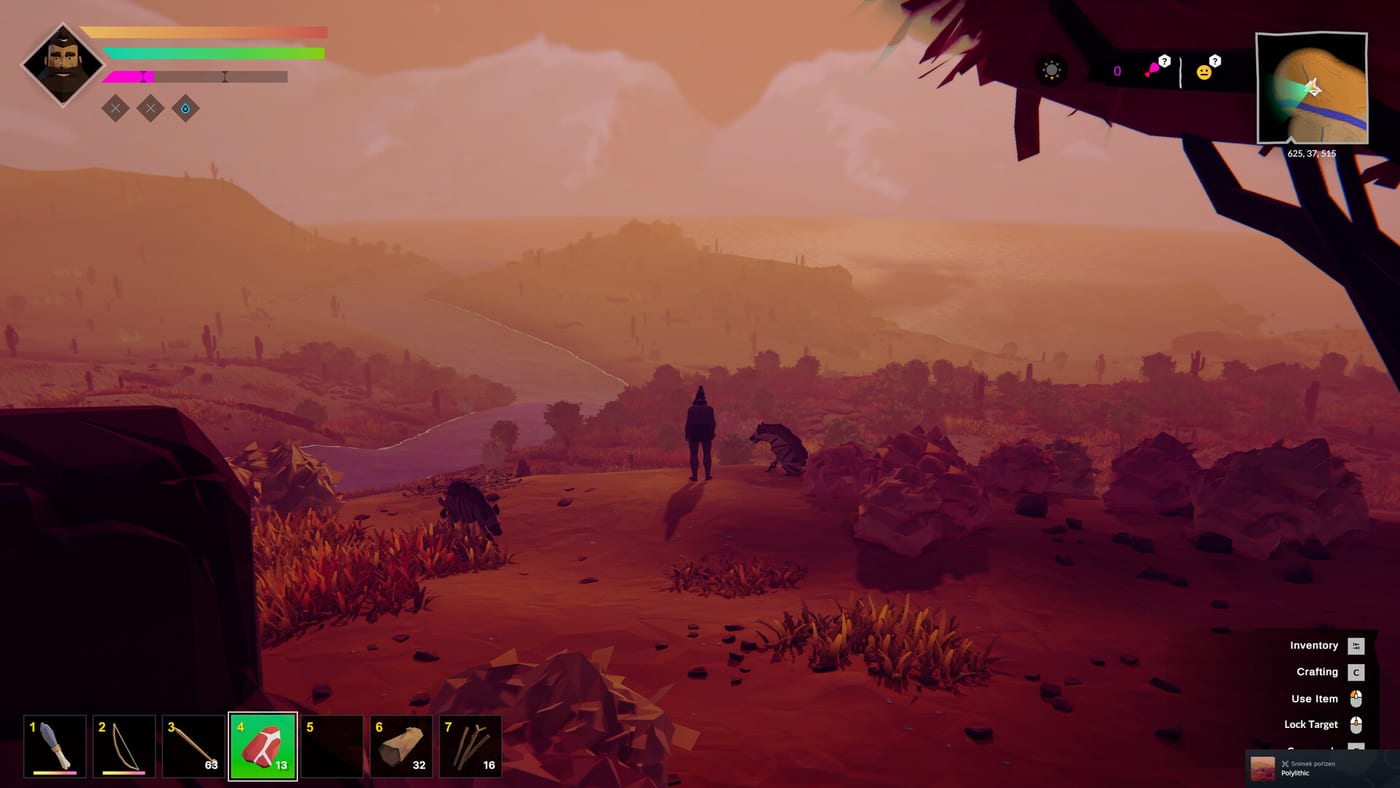
Polylithic does not dump a thousand-item spreadsheet on you. Each tool or building unlocks a short list of new options, which is why the crafting system feels friendly until you realize stalk and hide are in half the recipes. This hub is the workshop map: what to craft, where to place it, and which page to open when the menu is lying to you.
The first lie is flint. Players still lose a first evening kicking dirt because Early Access muscle memory said “look on the ground.” On current builds you combine rocks in the personal inventory. That single fact unblocks choppers, fires, and the rest of the Paleolithic kit. The step-by-step sits in how to craft. Come back here when you need the wider web of stations and unlocks.
Workstations are the real inventory
A campfire cooks and makes cinders. A hide rack turns crude hide and crude fur into usable sheets. A grindstone is how blades, polished parts, and several “I thought this was a drop” tools actually appear. You craft the station in the C menu, park it on a hotbar, then place it in the world and finish the build with the prompted tool. If it lives only in the backpack, it is furniture, not a factory.
The items page lists the materials that matter: stalk, string, twigs, logs, rocks, sinew, bone, clay, ochre, hide, fur, fat, antlers. The buildings page covers huts, racks, grindstones, stoves, and the outpost pieces that quests suddenly care about. The tech tree explains why you should not rush every node just because it glows.
A sane unlock order
Craft a chopper and a fire before you admire ivory. Place a hide rack before you butcher two caribou and wonder why crude hides clog the pack. Build a hut and a bed before a grindstone, because a crash during polishing is a worse joke than a dull blade. Only then spend stalk on string for spears, bows, and the buildings that drink cordage.
Stalk is the quiet bottleneck. It makes string, and string sits in fences, weapons, and covers. Open plains grow it better than deep woods. Mark it on the gathering planner so you stop walking past the one plant that would have finished the bow.
Crafting and combat share a wallet
Every javelin you throw is stalk you did not spend on a hut cover. Bows are cheaper to feed once you have arrows that eat wood instead of cordage, which is why the hunting guide and this hub should be read as a pair. A beautiful spear that you cannot replace after a miss is a museum piece.
If a recipe is grey, you are missing a station, a tech node, or a material the tooltip assumes you already understand. Do not restart the game for a grey icon until you have checked those three. Restarting is for frozen storage prompts and quests that refuse to tick, which belong in the story guide and the review, not in the crafting wheel.
Keep the workshop ugly and close to the fire. Pretty layouts come after the village can feed a grindstone without someone dying on the walk back from clay.
Frequently Asked Questions
Quick answers to the most common questions.
Where do I get flint in Polylithic?
Craft it from rocks in your personal inventory. The walkthrough is in how to craft, not on the forest floor.
What should I build after the first fire?
A hut with a bed, then a hide rack. The buildings page explains why a grindstone waits until you can survive a crash.
Why is everything asking for string?
String comes from stalk, and stalk is in most recipes. Track it on the gathering planner and read the items list.
Does the tech tree overwhelm new players?
No, and that is the point. Each unlock is small. Use the tech tree to pick the next two nodes, not the whole age.