Polylithic Multiplayer
A lobby is easy. A shared stalk pile is the real raid.
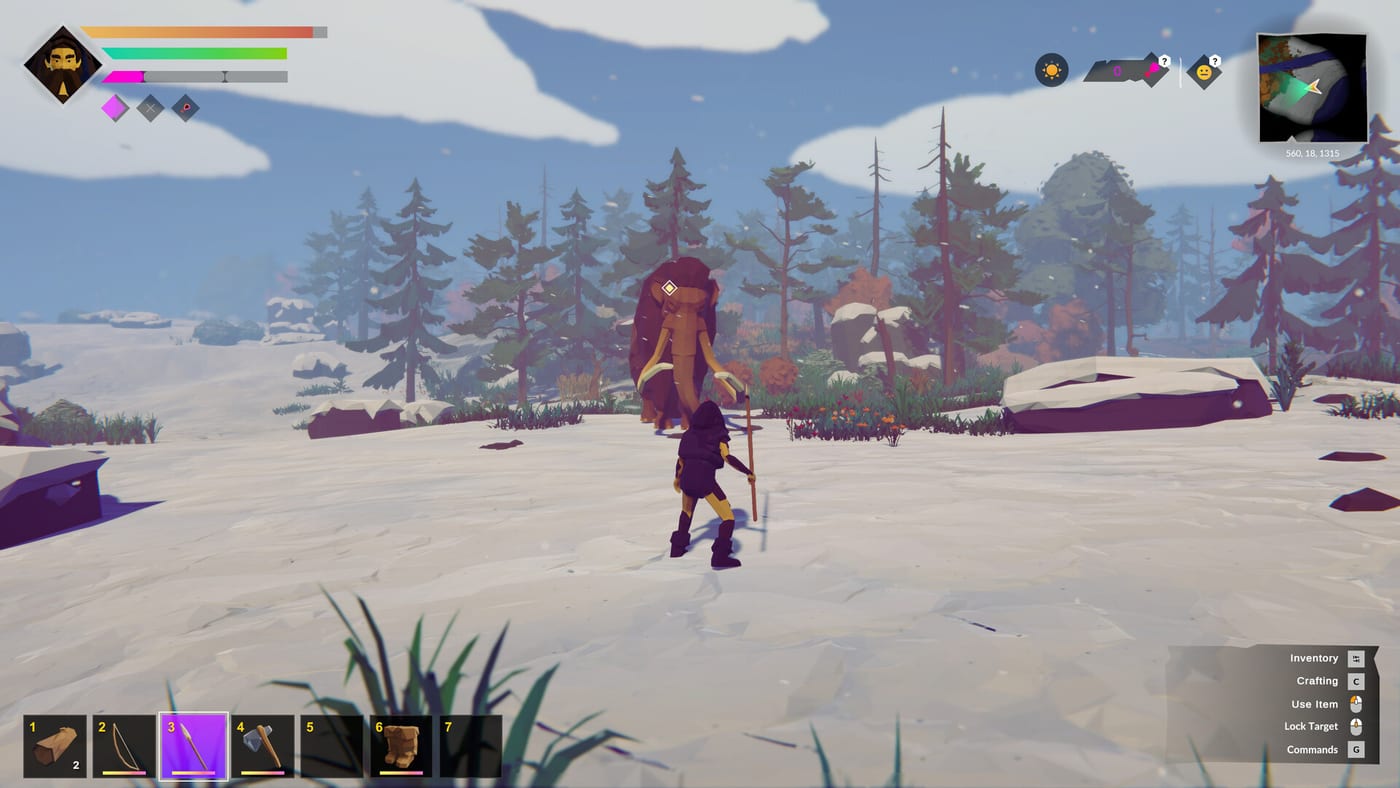
Online co-op is a first-class 1.0 feature: you plus up to nine friends, Steam-era invites, and a world that becomes unique the moment two people disagree about where the hut should face. This page is the lobby and session layer. The manners and job split live in how to play co-op. If you came here to learn flint, you want getting started instead.
There is no local split-screen pitch on the store page. Plan on one PC per human. Full controller support means a couch can still work as two machines on one table, not as one Steam window cut in half.
Hosting
Pick a host with a stable connection and a willingness to pause when the world tears. Create the session in the mode you actually want. Sandbox is the group default because it skips campaign ticks that already fail solo. Story is for a planned campaign night with people who accept stalls. Do not switch mid-joke. Two mental models in one hut is how someone “fixes” a quest by dismantling the only bed.
After join, walk to the fire and dump a greeting load of twigs so the host knows you can hear. Then stop crafting twelve personal choppers. Centralize stations. The crafting hub is not a suggestion in a ten-person world. It is crowd control.
Desync and performance
Launch-week notes include multiplayer desync that simply ends the session’s usefulness. You will not ini-file your way out of it in this wiki. Save at a hut, relog, shrink the active hunt, and avoid stacking every AI villager on the same caribou the players are also hitting. If the night keeps tearing, build and fish. The review exists because this caveat is part of the buy call.
Long sessions also freeze single-player UI. Co-op inherits that. Save before storage. Save before a boss hunt. Save because someone will tame a hyena in a river.
Shared world, private mistakes
Food is shared in spirit even when inventories are personal. A guest who eats the last roast is a diplomatic incident. Call meals. Call stalk. Use the gathering planner on a stream overlay if the group is large.
AI villagers still belong to the village systems. Injuries still punish happiness. A guest who kites a bison through camp is griefing the save, not being funny. The host should say that once, kindly, at the start.
Enemy tribes add PvE that looks like PvP from a distance. Scout with a pair. Do not send ten silhouettes over a ridge for a screenshot.
When to play solo instead
Do the campaign beats solo if you care about completing the story. Use multiplayer for the second world, the pretty walks, and the hunts that are better as a chorus. That split keeps friendships and quest logs equally intact.
Multiplayer is why the trailer works. Host on purpose, save like a coward, and let the Stone Age be loud without being sloppy.
Invite rules that keep the save alive
One host. One kitchen. One person allowed to move the bed. Everyone else hunts, hauls, or cooks on the shared fire. If a guest wants a private hut across the river, they can have a sleeping bag after the main camp can feed nine mouths. See settlement and buildings. If the session tears, the host saves, the guests stop placing pieces, and you relog before anyone “fixes” the world. The system requirements page is also a hosting guide: the strongest box runs the village, not the friend on hotel Wi-Fi.
Frequently Asked Questions
Quick answers to the most common questions.
Is Polylithic co-op online or split-screen?
Online co-op. The store lists online multiplayer, not a split-screen mode.
How many people can play together?
Up to ten total: you and nine friends.
Should the host pick story or sandbox?
Sandbox for most groups. Story for a planned campaign that can tolerate quest bugs.
What do we do when desync starts?
Save, relog, and stop stacking every actor on one hunt. See how to play co-op.